How to plan a wedding timeline your photographer will love
Build the day backwards from sunset, put slack where it actually helps, and stop scheduling group photos at the worst possible moment.

Almost every wedding runs late. That is not a failure of planning — it is what happens when a hundred people, a caterer and a hairdresser all interact. Good timelines assume it.
Start from sunset, not from the ceremony
Look up the sunset time for your date and location, then subtract 40 minutes. That is your portrait window: the light is warm, low and forgiving. Everything else on the day should be arranged around protecting it.
Put the slack where it helps
Thirty minutes of buffer spread across six moments does nothing. The same thirty minutes in one block before portraits absorbs every delay of the day.
Group photos: fewer, earlier, listed
Group shots take about three minutes each once people are found. Write the list in advance, cap it at ten, do them immediately after the ceremony while everyone is still in one place.
Two golden rules
Feed your photographers when you eat — nobody wants photographs of guests mid-chew, and it is the only proper break of a 12-hour day. And build in ten unscheduled minutes just after the ceremony. It is usually the only time all day the two of you are alone, and it consistently produces the best frames.
Keep reading

Why your product shots need one light, not five
Most beginner product photography fails because it is over-lit. Here is the single-source setup we use for e-commerce sets that have to match.
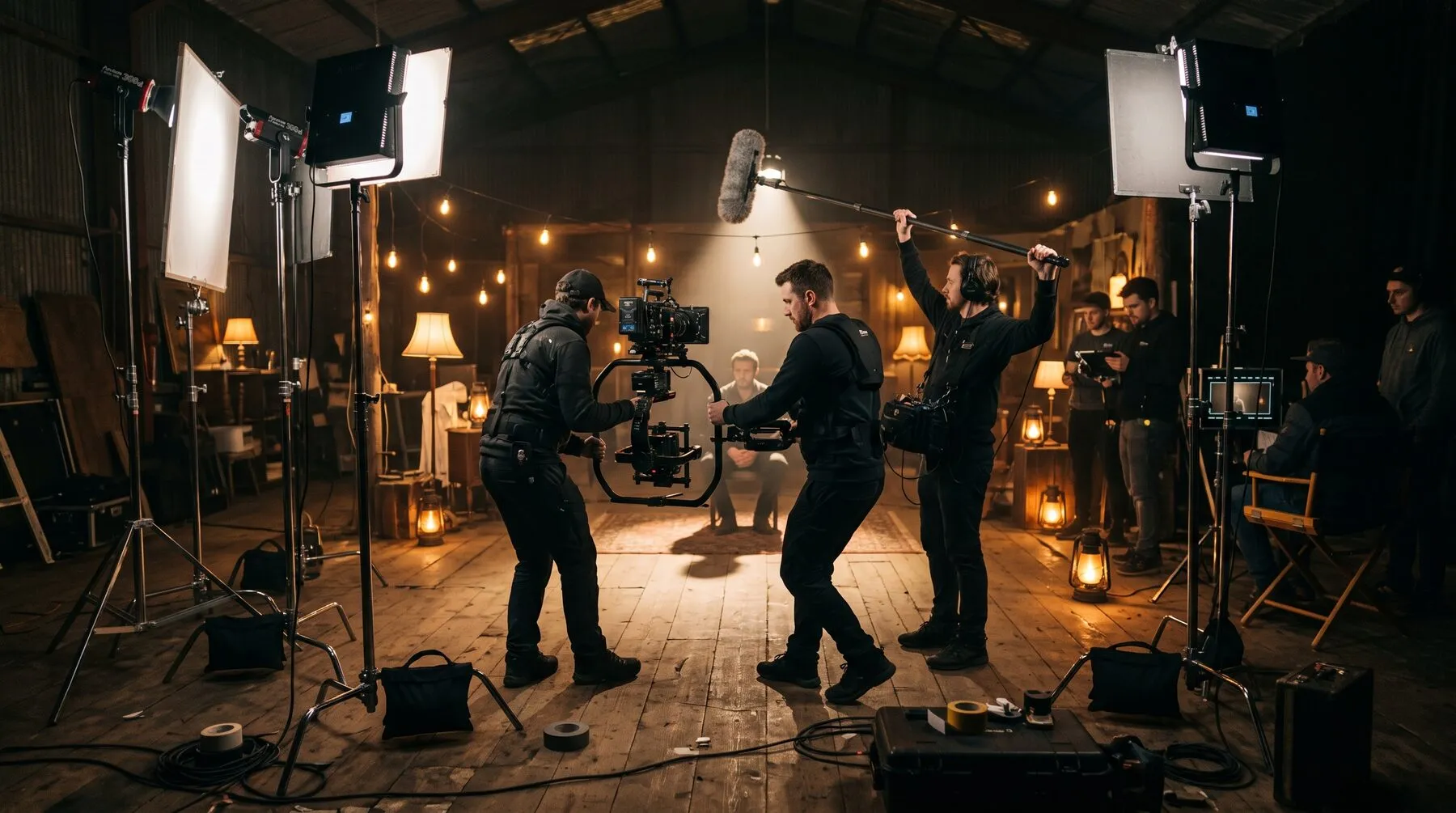
Shooting photo and video with one crew, without compromise
The usual objection is that stills and motion need different people. Here is how we run both on one shoot day and why the output matches better for it.