Shooting photo and video with one crew, without compromise
The usual objection is that stills and motion need different people. Here is how we run both on one shoot day and why the output matches better for it.
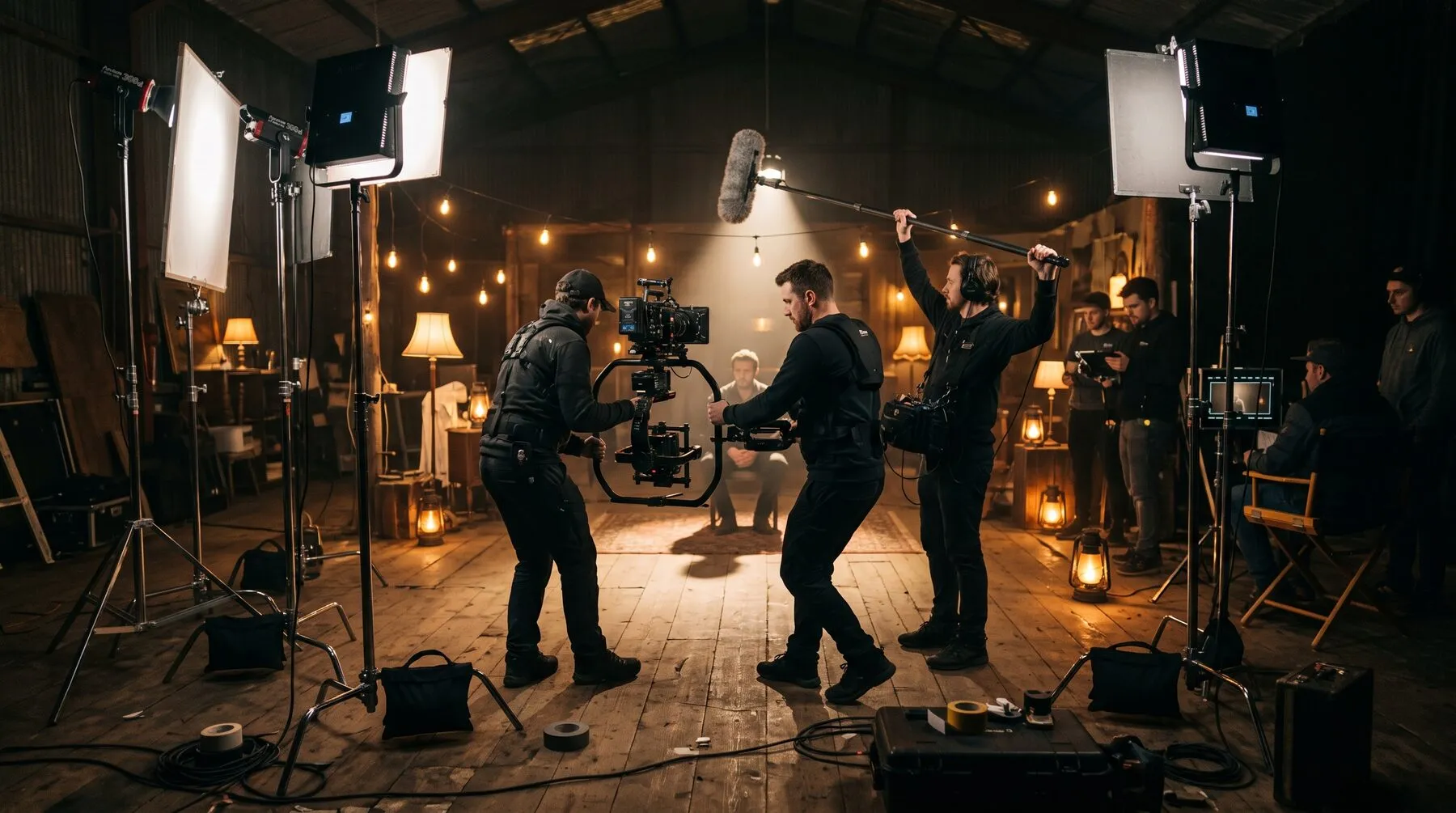
Book a photographer and a video crew separately and you get two briefs, two lighting philosophies and two grades. The work ends up looking like two companies made it, because it was.
What actually conflicts
Very little. Motion needs continuous light; stills prefer flash. That is the real conflict, and it is solved by shooting stills on the continuous setup at a wider aperture, which costs you almost nothing in a controlled space.
What it buys you
One brief. One lighting setup, so the stills and the film share a look before anyone opens a grading panel. One grade applied to both. And roughly two thirds of the cost of booking separately, because the setup time — the expensive part of any shoot — is paid for once.
When to still split them
Large productions where the motion unit is moving constantly, or where the stills need a completely different location. If the two outputs genuinely need different rooms, book two crews. Most brand work does not.
Keep reading
How to plan a wedding timeline your photographer will love
Build the day backwards from sunset, put slack where it actually helps, and stop scheduling group photos at the worst possible moment.

Why your product shots need one light, not five
Most beginner product photography fails because it is over-lit. Here is the single-source setup we use for e-commerce sets that have to match.